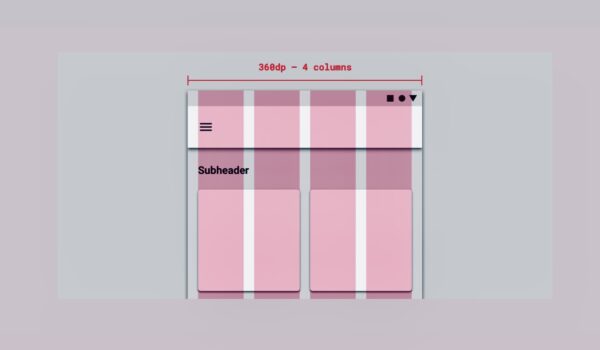
In the current digital era, Material Design has emerged as a predominant style in both mobile and web application designs. A notable example of this trend is Materializecss, an innovative front-end framework that embodies the essence of Material Design. This design language, crafted and introduced by Google, skillfully blends time-honored design principles with cutting-edge innovation and technology. Google’s ambition behind Material Design was to establish a comprehensive design system that ensures a consistent user experience across all its products, regardless of the platform.
Core Principles of Material Design
The philosophy of Material Design is founded on several key principles:
- The concept of “Material” serves as a fundamental metaphor;
- Its design is characterized by bold, graphic, and deliberate choices;
- Motion within the design is not just aesthetic but also imparts meaning.
The Team Behind Materializecss
A group of talented students from Carnegie Mellon University were instrumental in developing the remarkable front-end framework, Materializecss. This team includes:
- Alvin Wang;
- Alan Chang;
- Alex Mark;
- Kevin Louie.
Materialize: Flexibility in Design
Materialize is available in two distinct variations, catering to different preferences and levels of expertise. To begin utilizing Materialize, users simply need to download one of the following options. This flexibility in choice marks a significant step in making design accessible and adaptable to various user needs.
Conclusion: Embracing Material Design for Future Applications
As we observe the landscape of digital design, Materializecss stands as a shining example of Material Design’s growing influence. This framework is not just a testament to the creativity and skill of the Carnegie Mellon University team, but also a reflection of the evolving nature of web and mobile app design. In embracing Materializecss, developers and designers are afforded a tool that is both versatile and user-friendly, aligning with the core principles of Material Design.
The significance of Material Design, particularly through platforms like Materializecss, lies in its ability to merge classic design principles with the dynamism of modern technology. This design language offers a bridge between the digital and physical worlds, making interactions more intuitive and engaging. As technology continues to advance, the importance of a cohesive and user-centric design approach becomes increasingly paramount. Materializecss, with its dual versions and ease of use, represents a step forward in this direction.
In conclusion, the adoption of Material Design, especially through frameworks like Materializecss, signals a shift towards more immersive and responsive design in digital products. It embodies a future where technology is not only functional but also aesthetically pleasing and intuitive to use. As designers and developers continue to explore and innovate within this framework, we can expect to see a new wave of applications that are not only efficient but also visually compelling and user-friendly.