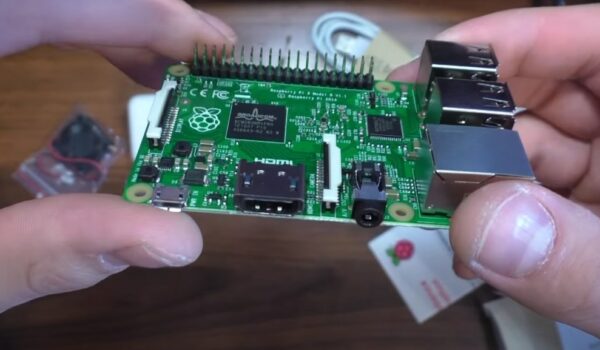
The Raspberry Pi 2 emerges as a groundbreaking development in the realm of compact computing devices. Positioned at an affordable price range of $25 to $35, this model represents a significant leap from its predecessor, offering enhanced processing power and broader compatibility.
Ideal for both embedded projects and applications requiring minimal power consumption, the Raspberry Pi 2 stands out for its versatility and performance. This article delves into the specifics of the Raspberry Pi 2 Model B, comparing it to the original Raspberry Pi 1 Model B+, and exploring its potential applications in various fields.
Raspberry Pi 2 Review
The Raspberry Pi 2 marks a new era in pocket-sized computing, delivering PC-level power to a range of projects. This advanced model is a collaboration between Raspberry Pi and Element 14, resulting in a device that is six times faster than its predecessor.
Equipped with an ARMv7 processor, the Raspberry Pi 2 can efficiently run a variety of ARM GNU/Linux distributions, including Snappy Ubuntu Core, as well as Microsoft Windows 10. This capability broadens its applicability, making it an ideal choice for embedded projects and power-efficient applications.
Features
- CPU: A 900MHz quad-core ARM Cortex-A7 CPU, providing robust processing capabilities;
- Memory: 1GB RAM, ensuring smooth multitasking and efficient operation;
- Connectivity: Four USB ports for enhanced peripheral connectivity;
- Interface Options: Includes 40 GPIO pins, a full HDMI port, and an Ethernet port for versatile connections;
- Audio and Video: A combined 3.5mm audio jack and composite video interface cater to multimedia needs;
- Expansion Ports: Camera interface (CSI) and Display interface (DSI) for additional peripheral attachments;
- Storage: Micro SD card slot for expandable storage solutions;
- Graphics: Equipped with a VideoCore IV 3D graphics core, enabling better visual performance.
Practical Applications
The Raspberry Pi 2’s enhanced capabilities open up a myriad of practical applications:
- Educational Tool: Ideal for teaching basic computer science and programming in schools;
- DIY Projects: Perfect for hobbyists and makers for creating custom projects like home automation systems;
- Media Center: Can be transformed into a cost-effective media server or gaming console;
- Prototyping: Useful for startups and inventors to prototype new tech products;
- Remote Monitoring: Suitable for building remote monitoring systems for various applications like weather stations or security cameras.
Advanced Applications
Beyond basic uses, the Raspberry Pi 2 extends into more advanced applications:
- Industrial Automation: Can be integrated into manufacturing processes for monitoring and control;
- Internet of Things (IoT): Acts as a central unit in IoT setups, managing various sensors and devices;
- Research Projects: Used by researchers for data collection, analysis, and simulation in various fields;
- Artificial Intelligence: Suitable for entry-level AI projects, offering sufficient power for machine learning algorithms.
The Raspberry Pi 2’s versatility even extends to gaming, serving as a platform for classic games and even modern titles like Asphalt 8 Airborne, a high-octane racing game that showcases the device’s graphic capabilities.
Conclusion
In summary, the Raspberry Pi 2 Model B represents a significant advancement in miniature computing. With its powerful quad-core processor, ample RAM, and a range of connectivity options, it stands as a versatile tool for educators, hobbyists, and professionals alike.
Its ability to run various operating systems, including Windows 10, adds to its appeal, making it a suitable choice for a myriad of projects, from simple DIY tasks to complex industrial applications. The Raspberry Pi 2 is not just a computer; it is a gateway to innovation and creativity, offering an affordable platform for experimentation and development in various fields.